

Why Every California Peninsula Hotel Is Searching for Pool Contractors Near Me

Hotel News for Pool Contractors Near Me Peninsula Area

California’s Peninsula is known for beautiful coastal scenery, energetic business districts, upscale communities, and convenient access to both San Francisco and Silicon Valley. Hotels throughout the region welcome corporate travelers, vacationing families, wedding guests, international visitors, and residents planning relaxing weekend stays. In such a competitive hospitality market, a comfortable room and a convenient location are no longer enough to make a property memorable.

Guests increasingly judge a hotel by the complete experience it offers. They notice the lobby, landscaping, restaurants, fitness areas, gathering spaces, and outdoor amenities. A hotel swimming pool can become one of the property’s most photographed and frequently discussed features. When designed properly, it creates a destination within the hotel rather than serving as a simple place to swim.

This has encouraged more property owners and hospitality managers to search for experienced pool contractors who understand both visual appeal and commercial performance. A hotel pool must complement the architecture, accommodate different types of guests, support daily operations, and continue looking inviting through years of frequent use.

The timing is especially important. The California Hotel & Lodging Association’s news center regularly highlights hotel investments, industry developments, ownership changes, operating challenges, and opportunities affecting properties throughout the state. For hotels on the Peninsula, upgrading an outdated pool area can be a practical way to strengthen the guest experience while protecting the property’s competitive position.

California’s Hotel Market Rewards Memorable Experiences 🏨

Travelers have more ways than ever to compare hotels before making a reservation. Photos, online reviews, virtual tours, social media posts, and travel websites allow potential guests to examine nearly every visible detail of a property. A worn pool deck, dated furniture, faded tile, or uninspired outdoor area can influence a booking decision long before the traveler reaches the reservation page.

A thoughtfully planned pool area produces the opposite effect. Clear blue water, attractive lighting, comfortable seating, shaded gathering areas, carefully selected materials, and surrounding landscaping can make a hotel appear more polished and valuable. The pool becomes part of the hotel’s identity and gives guests another reason to select the property over a nearby competitor.

The latest information available through Visit California’s research dashboard helps hospitality professionals follow travel indicators, visitor sentiment, economic conditions, and statewide tourism performance. This type of industry intelligence reinforces the importance of understanding what travelers value and how their expectations are changing.

Hotels do not need enormous resort-style pools to create an impressive experience. Strong design can make a modest space feel exclusive, comfortable, and visually distinctive. Proportion, material selection, lighting, furniture placement, privacy, and landscaping often matter more than sheer size.

A Pool Can Become a Powerful Hotel Marketing Asset 📸

The modern hotel pool works as both an amenity and a marketing tool. Guests frequently photograph attractive outdoor spaces and share them through Instagram, Facebook, travel blogs, review platforms, and private messages. Each image can introduce the property to potential visitors without requiring another paid advertisement.

This organic exposure becomes especially valuable for boutique hotels, independent properties, and regional hotel groups competing against national brands. A distinctive pool setting gives the property recognizable visual content for its website, social channels, email campaigns, wedding promotions, and seasonal travel packages.

The San Francisco Peninsula includes communities stretching through an economically and culturally significant section of the Bay Area. Hotels in this region serve a broad mixture of technology professionals, tourists, families, conference attendees, wedding parties, and long-term business travelers. A flexible pool environment can appeal to several of these audiences at the same time.

A business traveler may use the pool deck as a peaceful place to unwind after meetings. Families may view the pool as a major part of their vacation. Wedding guests may gather there before or after scheduled events. Couples may choose the property for a brief staycation because the pool area feels private and relaxing. One well-designed amenity can support numerous guest experiences.

Hotels Need More Than Basic Pool Installation

Commercial hospitality projects require a different level of planning from ordinary residential pool construction. Hotels operate around established schedules, guest expectations, employee responsibilities, insurance requirements, and long-term financial goals. Construction decisions must account for how the property will continue functioning while work is underway.

Hotel owners searching for Pool Contractors Near Me Peninsula Area are often looking for more than a company that can excavate a site and fill it with water. They need professionals capable of considering the entire outdoor environment, including access routes, seating, lighting, drainage, surrounding plant material, privacy, visibility, maintenance access, and compatibility with the hotel’s existing architecture.

Material selection is especially important. Hotel pools may experience heavy use, rolling housekeeping equipment, frequent furniture movement, moisture exposure, cleaning chemicals, spilled drinks, and constant foot traffic. Surfaces must contribute to the desired appearance while remaining appropriate for a demanding commercial setting.

The final design must also make sense operationally. Equipment should be accessible to maintenance personnel. Storage needs should be considered early. Guest pathways should remain logical. Furniture arrangements should preserve movement around the pool. Lighting should improve nighttime visibility while contributing to the atmosphere.

Safety and Compliance Remain Central to the Project 🛟

A beautiful hotel pool must also support responsible operation. California maintains requirements covering public swimming pools, sanitation, safety, construction, and related areas. The California Department of Public Health’s swimming pool requirements provide access to state laws and regulations that apply to public pool environments.

Hotel owners should work with qualified professionals who understand the distinction between private backyard construction and pools intended for public or commercial use. Planning may involve local building departments, county environmental health agencies, accessibility considerations, equipment standards, barriers, signage, drainage, sanitation, and inspection procedures.

Addressing these matters during the design stage can reduce disruptions later. Correcting an oversight after construction has begun can be more expensive and may delay reopening. A coordinated process helps hotel management understand the project timeline, required approvals, operational limitations, and responsibilities connected to the finished pool.

Safety planning also extends beyond minimum regulatory requirements. Clear sightlines, sensible depth transitions, suitable walking surfaces, dependable lighting, well-positioned handrails, and organized furniture placement all contribute to a more comfortable guest environment.

Energy Efficiency Has Become an Operating Priority

Hotel owners must balance guest satisfaction with ongoing operating expenses. Pumps, heaters, lighting, filtration systems, and water features can affect the long-term cost of maintaining a pool. Efficient equipment and sensible operating controls may help reduce unnecessary energy use while preserving the experience guests expect.

The California Energy Commission’s guidance on dedicated-purpose pool pumps explains standards and efficiency requirements affecting pool pump equipment. This information matters because equipment choices made during construction or renovation can influence future energy consumption, replacement needs, and maintenance planning.

Efficiency does not require sacrificing appearance. Modern systems can support attractive lighting, comfortable water temperatures, clean circulation, and decorative water elements while giving hotel operators greater control over schedules and performance.

Thoughtful landscape design can also support efficient operations. Appropriate plant selection, carefully planned irrigation, durable hardscaping, and effective drainage can reduce maintenance demands around the pool. Shade structures and strategic planting may improve guest comfort without relying solely on mechanical solutions.

The Pool Area Can Support Additional Hotel Revenue 💼

An upgraded pool can contribute value beyond standard overnight reservations. Hotels may use an attractive pool environment to support private gatherings, corporate retreats, small receptions, wellness events, seasonal promotions, photography sessions, and premium guest packages.

The precise opportunities depend on the property, local regulations, available space, staffing, and the hotel’s target audience. The broader principle remains valuable. A neglected pool consumes maintenance resources, while a well-planned pool can support marketing, guest satisfaction, event programming, and stronger positioning.

Recent reporting on San Francisco’s hospitality economy illustrates the broader role hotels play in supporting restaurants, retailers, attractions, employment, and local tax activity. An American Hotel & Lodging Association report on San Francisco tourism found that hotels generated more than $12 billion in economic impact in the city during 2025.

Although individual results vary by property, this broader economic activity demonstrates why hotels continue investing in features that attract visitors and encourage spending. The pool area can become one piece of a larger strategy designed to make the property more appealing, more useful, and more closely connected to the surrounding destination.

Outdoor Design Should Match the Hotel’s Identity

A pool renovation should never feel disconnected from the rest of the property. A contemporary business hotel may benefit from clean lines, restrained materials, integrated lighting, and flexible seating. A coastal boutique hotel may use softer textures, natural materials, layered planting, and intimate gathering spaces. A family-oriented property may place greater emphasis on durability, visibility, shade, and convenient movement.

Consistency creates a stronger impression. Guests should feel that the pool, landscaping, architecture, furnishings, signage, and interior spaces belong to the same hotel. When the outdoor area looks like an afterthought, the entire property can feel less cohesive.

Experienced design and construction professionals can help hotel owners evaluate how different elements work together. The process may reveal opportunities to improve more than the pool itself. An outdated deck could become an outdoor lounge. An unused corner could support a shaded seating area. Poor nighttime visibility could be transformed with layered lighting. Sparse landscaping could become an attractive visual buffer.

Sustainable Improvements Strengthen Long-Term Value 🌿

California’s hospitality industry continues to consider how tourism growth, environmental responsibility, community relationships, and visitor experiences fit together. Visit California’s destination stewardship guidance emphasizes the importance of protecting the qualities that make destinations appealing while supporting the long-term strength of the tourism economy.

For hotel pool projects, responsible planning may include durable materials, efficient equipment, water-conscious landscaping, sensible irrigation, reduced replacement frequency, and designs that remain attractive without excessive maintenance. These decisions can support both operational goals and the expectations of travelers who pay attention to environmental practices.

Durability itself is an important form of sustainability. A timeless design built from appropriate materials may serve the property longer than a trend-driven renovation that quickly appears dated. Hotel owners benefit when improvements continue delivering value across multiple travel seasons.

Conclusion

California Peninsula hotels operate in one of the country’s most visible and competitive travel markets. Guests arrive with high expectations, easy access to online comparisons, and a strong appreciation for spaces that feel comfortable, attractive, and memorable.

A professionally planned hotel pool can influence booking appeal, guest reviews, social media exposure, event opportunities, property identity, and long-term value. It can turn an underused outdoor area into a defining feature that supports both leisure and business travelers.

The strongest projects begin with a clear understanding of the hotel’s audience, architecture, operational needs, safety obligations, maintenance requirements, and future goals. When those elements guide the design, the finished pool becomes more than another amenity. It becomes part of the reason guests remember the property, recommend it to others, and choose to return.


Book Review: Why Killing Haitians Is One of the Most Gripping True Survival Stories in Haiti—and the Perfect Book for Your Next Trip

Travel News for True survival stories in Haiti

The best travel books do more than occupy a few hours on a flight. They transport readers into unfamiliar places, reveal lives far removed from their own, and make the surrounding world feel larger. Killing Haitians: A Mission Through Hell & A Haitian Love Story delivers that experience through an intense firsthand account of danger, compassion, cultural conflict, personal failure, and survival.

Written by Max C. Sconyers Jr., the book follows a thirty-day journey through Haiti that became far more dangerous than the author could have anticipated. Sconyers describes being held at gunpoint, kidnapped, injured, rescued, and confronted with violence that most travelers will never witness. The result is a travel memoir that carries the urgency of a thriller while remaining rooted in personal experience.

For readers who enjoy books that make a long flight seem short, this is a compelling choice. It is emotionally demanding, fast-moving, and difficult to put down. It also offers something many conventional travel narratives avoid: an honest look at how quickly a journey can move beyond a traveler’s control. 📖✈️

A Travel Story That Refuses to Stay Comfortable

Many travel memoirs follow a familiar path. The writer arrives in a new country, encounters unfamiliar customs, samples local food, meets colorful personalities, and returns home with amusing stories. Killing Haitians follows a far more unsettling route.

The journey begins with good intentions, but those intentions offer little protection once the author enters situations shaped by fear, confusion, violence, and unpredictable human behavior. Sconyers is not presented as a perfectly prepared adventurer who always knows what to do. He arrives with his own emotional struggles, personal flaws, assumptions, and vulnerabilities. Those weaknesses become part of the story rather than details hidden to make the narrator appear heroic.

That honesty gives the book much of its power. Readers are not watching an invincible character survive a carefully designed fictional crisis. They are following a real person whose judgment, mental state, and decisions carry consequences.

The author’s account belongs among the most memorable True survival stories in Haiti because the danger is never separated from the people involved. Every threatening encounter includes human decisions, and every moment of rescue depends on someone choosing to intervene.

Thirty Days That Read Like a Thriller

Thirty days may appear brief on a calendar, but the events described in the book give that period enormous weight. During his travels, Sconyers reports being held at gunpoint, kidnapped, physically injured, and eventually rescued. He also describes witnessing the beating and deaths of two Haitians. These experiences form the foundation of a memoir that moves with the tension of a suspense novel.

The difference is that a fictional thriller promises safety to the reader. A novelist can arrange every escape and determine exactly when the hero reaches shelter. A firsthand survival account carries a different kind of uncertainty. The person describing the ordeal once lived through it without knowing how the next hour would end.

That uncertainty remains present throughout Killing Haitians. A misunderstanding can escalate. A wrong turn can become dangerous. A person who seems helpful can introduce another risk. Safety depends on awareness, restraint, timing, and sometimes the compassion of a stranger.

The book does not treat danger as an entertaining attraction. It shows how fear narrows a person’s attention and changes every calculation. Once a weapon appears or freedom disappears, ordinary concerns lose their importance. Survival becomes immediate.

Haiti Is More Than a Backdrop

A weaker book might use Haiti merely as an exotic setting for one man’s ordeal. This memoir attempts to show a country filled with people, relationships, beauty, suffering, courage, and contradiction.

Understanding that complexity matters. Haiti’s history includes revolution, independence, foreign intervention, political upheaval, artistic achievement, religious tradition, economic hardship, and repeated natural disasters. No single book can represent the full experience of an entire nation, but a responsible travel memoir can acknowledge that the country exists beyond the visitor’s personal crisis.

Haiti also possesses significant cultural and historical landmarks. The National History Park—Citadel, Sans Souci, Ramiers is recognized by UNESCO as a World Heritage Site. Places such as these reflect the country’s history, architectural achievement, and enduring national identity.

Killing Haitians becomes more meaningful when read with this broader understanding. The author’s experience is one personal account, not a complete definition of Haiti or the Haitian people. The book presents violence and suffering, but it also records human connection, rescue, affection, and generosity. Those elements prevent the narrative from collapsing into a simple story about a frightening destination.

The Human Side of Rescue

Survival stories naturally focus on the person who escaped, but rescue rarely belongs to one person alone. Someone notices the danger. Someone decides to help. Someone takes a risk, opens a door, provides information, offers transportation, or stands between another person and harm.

That human element gives Killing Haitians emotional depth. Rescue is not presented as a convenient turn in the plot. It comes through relationships and decisions made by people whose actions affect whether someone else lives, escapes, or remains trapped.

This makes the story about more than physical endurance. It becomes a study of dependence. Travelers often value independence, but international travel repeatedly reveals how much every person depends on drivers, hosts, translators, medical workers, local families, officials, and strangers.

The memoir captures the frightening side of that dependence while also showing its beauty. The same journey that exposes cruelty can reveal courage. The same country in which the author encounters violence also becomes the place where people help preserve his life.

A Valuable Book for Thoughtful Travelers

Reading a book about travel is not the same as preparing for travel. Conditions change, transportation routes are altered, public-health guidance is updated, and security risks can develop quickly.

Current destination research should always come from reliable sources. The U.S. Department of State’s Haiti Travel Advisory provides official security information for American travelers. As of July 2026, Haiti remains under a Level 4 “Do Not Travel” advisory because of serious safety concerns.

Health preparation is equally important. The CDC Haiti Traveler View offers destination-specific information concerning vaccines, disease risks, insect precautions, food and water safety, and medical preparation.

These resources reinforce one of the book’s central lessons. Good intentions do not replace preparation, and confidence does not eliminate risk. A traveler may be intelligent, experienced, and compassionate while still being unprepared for a rapidly changing situation.

Killing Haitians should not be treated as a travel guide or a prediction of what every visitor will experience. Its value lies in revealing what happened to one traveler and how those experiences affected him. It encourages readers to take unfamiliar environments seriously and to respect the difference between curiosity and recklessness.

Why It Belongs in Your Carry-On

The ideal travel book must compete with airport noise, flight announcements, uncomfortable seats, crowded terminals, and the temptation to watch another movie. It needs a strong opening, clear momentum, vivid scenes, and enough emotional depth to remain memorable after the trip ends.

Killing Haitians has those qualities. The danger creates immediate suspense, while the personal reflections give the story weight beyond the individual incidents. Readers are not simply waiting to discover whether the author escapes. They are watching his understanding of himself, Haiti, faith, fear, and human nature change under pressure.

The book is especially well suited for travelers who enjoy memoirs, international accounts, survival narratives, Christian social themes, and stories that combine physical danger with personal reckoning. Its subject matter is serious, but its narrative momentum makes it accessible during a flight, train journey, cruise, hotel stay, or quiet evening away from home.

Travel also creates the right mental space for a book like this. Leaving familiar routines often makes readers more receptive to stories about uncertainty and change. While moving between destinations, the reader can better appreciate the emotional distance between the person who begins a journey and the person who eventually returns.

A Story That Connects Personal Experience With Current Events

Haiti continues to appear in international reporting because of political instability, displacement, armed violence, humanitarian needs, and transportation disruptions. The United Nations’ Spotlight on Haiti provides continuing information about the country’s humanitarian conditions and international response.

Travel and transportation developments also demonstrate how quickly conditions can change. A recent Reuters report concerning the planned resumption of American Airlines service described proposed flights to Cap-Haïtien while also noting continuing aviation restrictions affecting Port-au-Prince.

These reports provide useful context, but news coverage usually focuses on major developments, official statements, numbers, and public events. A memoir operates differently. It places the reader inside a particular person’s fear, confusion, hope, and memory.

That difference is why personal accounts remain valuable. Statistics can describe the scale of a crisis, but they cannot fully reproduce the sensation of facing a weapon, losing control of one’s movement, depending on unfamiliar people, or realizing that survival is no longer guaranteed.

More Than a Collection of Dangerous Encounters

The subtitle, A Mission Through Hell & A Haitian Love Story, signals that the book contains more than violence. The journey includes affection, relationships, spiritual reflection, and the search for meaning after traumatic events.

Physical escape does not automatically create emotional peace. A survivor may return home while continuing to carry grief, anger, fear, guilt, and unanswered thoughts about the people who did not escape. The strongest sections of the memoir recognize this continuing burden.

Sconyers does not present himself as an untouchable hero. His account contains vulnerability and personal disorder alongside courage and endurance. That approach makes the book feel less like a legend created after the fact and more like an attempt to understand experiences that permanently changed him.

Readers may disagree with some of his choices or interpretations, but that tension strengthens the reading experience. A worthwhile memoir does not require the audience to approve of every decision. It allows readers to consider how they might respond under pressure while recognizing that calm judgment becomes far more difficult when danger is real.

Conclusion

Killing Haitians: A Mission Through Hell & A Haitian Love Story stands out because it combines the urgency of a survival thriller with the emotional complexity of a personal memoir. The author’s thirty days in Haiti include kidnapping, violence, injury, rescue, affection, spiritual struggle, and a confrontation with his own vulnerabilities.

The book does not offer a comfortable vacation story. It offers a difficult journey through circumstances that changed without warning and carried consequences that followed the author home. Haiti emerges as a country of sharp contrasts, where suffering and kindness, danger and beauty, fear and human connection can exist beside one another.

For readers seeking a gripping book for their next flight, road trip, cruise, or hotel stay, this memoir provides suspense with substance. It can make the miles pass quickly while leaving behind thoughts that last much longer than the journey.

Some books help travelers escape the world for a few hours. Killing Haitians asks them to look more closely at it. 🌍📚

Travel Trailer Wash Guide: The Road Trip Cleaning Secret RV Owners Wish They Knew Sooner

Travel News for Trailer Wash

A great road trip is about freedom, scenery, good food, quiet mornings, long highways, and the kind of memories that make people start planning the next trip before the current one is even over. But there is one part of travel that many RV owners, camper owners, horse trailer owners, and enclosed trailer owners do not think about until it becomes impossible to ignore: the outside of the trailer.

After a few hundred miles, a trailer can collect road grime, bug splatter, black streaks, dust, rain residue, tree sap, salt, mud, and campground debris. After a few trips, that clean, polished trailer can start looking dull, neglected, and much older than it really is. That is why smart travelers are starting to treat trailer cleaning as part of trip planning, not just something to deal with after the vacation is over. 🚐

This travel trailer wash guide explains why keeping a trailer clean matters, how it protects the look and value of your investment, and why many road trip lovers wish they had learned this cleaning secret sooner.

Why Trailer Cleaning Matters Before, During, and After Travel

Travel exposes a trailer to more than just pretty views. Every mile adds another layer of buildup. Highways throw dust, oil residue, tar, brake dust, and bug splatter onto the surface. Campgrounds add mud, leaves, pollen, bird droppings, and tree sap. Coastal destinations may add salt air, while mountain routes can add grit, snowmelt, and road treatment residue.

For people who follow travel trends, road trips remain one of the most flexible ways to explore because they allow travelers to move between destinations with their own schedule, gear, and comfort. But that flexibility comes with responsibility. A trailer is not just transportation. It is part of the travel experience, and it needs regular care to keep performing and looking its best.

A dirty trailer can make even a well-planned trip feel less polished. When travelers pull into an RV park, campground, event venue, horse show, job site, or vacation destination, the trailer often creates the first impression. A clean trailer signals preparation, care, and pride. A stained, streaked, or dull trailer can make the entire setup look older and less maintained.

The Road Trip Cleaning Secret RV Owners Wish They Knew Sooner

The secret is simple: trailer cleaning works best when it is routine, not reactive. Many owners wait until the trailer looks terrible before they do anything. By then, grime has had more time to bond to the surface, black streaks have become harder to remove, and oxidation may already be affecting the finish.

A better approach is to clean the trailer before major trips, give it a quick rinse or spot clean during long routes, and wash it again after returning home. This does not mean spending hours scrubbing after every short drive. It means being intentional. A little maintenance at the right time can prevent a lot of frustration later.

Using a dedicated product like Trailer Wash can help owners clean more effectively because trailer surfaces face different types of buildup than ordinary vehicles. Trailers often sit outside for long periods, travel through changing weather, and collect vertical streaking from rain runoff. A cleaner trailer is not just about shine. It is about protecting the surface from long-term wear.

How Road Grime Affects the Look and Value of Your Trailer

A trailer is a major investment. Whether someone owns a travel trailer, utility trailer, enclosed cargo trailer, boat trailer, horse trailer, or camper, the exterior condition matters. Buyers notice the outside first. A clean and well-kept trailer usually feels more trustworthy than one that looks stained and neglected.

Road grime can cause several problems over time. Bug residue can be acidic. Bird droppings can damage finishes if left in place. Tree sap can harden and become difficult to remove. Salt can contribute to corrosion on metal components. Mud can hide problem areas. Black streaks can make a trailer appear older than it really is.

For RV and travel trailer owners, cleanliness is also tied to pride of ownership. People spend time choosing routes, researching campgrounds, checking gear, and following updates from trusted outlets like Skift to keep up with travel industry trends. Trailer care deserves the same level of attention because the trailer is what carries the experience from one stop to the next.

When the exterior looks clean, the whole trip feels better. Photos look better. Campground setups look better. Fuel stops feel less embarrassing. Even a quick overnight stay feels more enjoyable when the trailer does not look like it has been dragged through six states without a rinse.

Best Times to Wash a Trailer During Travel Season

The best trailer cleaning schedule depends on how often it is used, where it is stored, and what kind of conditions it faces. However, most owners can benefit from a few basic timing rules.

Before a long road trip, washing the trailer gives owners a chance to inspect the exterior. This is a good time to look for cracks, loose seals, worn decals, damaged lights, rust spots, or problem areas that might be harder to see when the trailer is dirty. Starting a trip with a clean trailer also makes new grime easier to notice and remove.

During a long trip, a light rinse or spot clean can help prevent buildup from becoming stubborn. This is especially helpful after driving through bug-heavy areas, muddy roads, coastal regions, or winter-treated highways. Even if a full wash is not possible, removing the worst residue can make a difference.

After the trip, washing the trailer helps remove everything collected along the way. This is especially important before storing the trailer. Putting away a dirty trailer allows grime, sap, salt, and streaks to sit on the surface for weeks or months. That can make the next cleaning session harder and may shorten the life of the finish.

What Travelers Should Keep in Their Trailer Cleaning Kit

A simple cleaning kit can save a lot of trouble on the road. Travelers do not need to pack an entire garage, but having the right basics makes it easier to handle messes before they become bigger problems.

A good trailer cleaning kit may include a trailer-safe wash product, soft wash mitts, microfiber towels, a soft-bristle brush with an extension handle, a hose attachment when available, a bucket, a bug-removal sponge, and gloves. Owners should avoid harsh household cleaners that may damage paint, decals, gelcoat, aluminum, rubber seals, or protective finishes.

A small step ladder may also help when cleaning higher areas, but safety matters. Trailers can be tall, slick, and awkward to reach. Cleaning should be done on level ground, away from traffic, and with stable footing.

Travelers who read Travel Weekly already know that travel planning often includes lodging, transportation, routes, costs, and destination updates. Trailer owners should add cleaning supplies to that same planning list. A well-packed cleaning kit helps travelers stay ready for sudden messes, whether they are parked under messy trees or driving through a bug-filled stretch of highway.

The Connection Between Clean Trailers and Better Travel Photos

Travel is visual. People take pictures of campsites, scenic overlooks, lakefront mornings, desert sunsets, family cookouts, tailgate setups, and national park stops. A dirty trailer in the background can take away from the moment.

A clean trailer makes travel photos look more professional and more enjoyable. This matters for families preserving memories, businesses using trailers for work, influencers sharing road trips, and RV owners documenting their adventures. Even if the trailer is not the main subject, it often appears in the frame.

Cleanliness can also affect how people feel about their setup. When the trailer looks good, the campsite feels more organized. The trip feels more intentional. The entire travel experience feels more comfortable. A clean exterior may seem like a small detail, but small details can shape the way people remember a trip.

For travelers who follow road trip inspiration from sources like AFAR, a beautiful route is only part of the story. The vehicle and trailer become part of the journey. Keeping them clean helps the whole adventure look and feel better.

Why Trailer Washing Is Also About Safety and Inspection

A clean trailer does more than look nice. It also makes inspection easier. Dirt and grime can hide damage. A clean surface allows owners to notice cracks, rust, loose trim, damaged lights, tire issues, hitch problems, and seal concerns before they become serious.

Lights are especially important. Dirty brake lights, marker lights, and reflectors can reduce visibility. A quick wash helps keep lighting clear so other drivers can better see the trailer on the road. Mirrors, windows, license plates, and reflective surfaces should also be kept clean.

For long-distance travelers, a trailer inspection should be part of every major trip. Cleaning gives owners a natural opportunity to walk around the trailer and check for anything unusual. This is a practical habit that can prevent delays, repair costs, and stressful roadside surprises.

The U.S. Travel Association often highlights how travel connects to broader economic activity, planning, and mobility. For individual trailer owners, safe and well-maintained equipment helps make that mobility smoother. A clean trailer supports safer travel by making important components easier to see and maintain.

Common Trailer Washing Mistakes to Avoid

One common mistake is using cleaners that are too harsh. Strong chemicals can damage finishes, strip protective coatings, fade decals, or harm rubber seals. Trailer owners should use products designed for the surfaces they are cleaning.

Another mistake is washing in direct hot sun. Heat can cause soap or cleaner to dry too quickly, leaving streaks or spots. Washing in the shade or during cooler parts of the day usually produces better results.

A third mistake is ignoring the roof. Many trailer streaks begin at the top. Dirt, pollen, leaves, and debris collect on the roof, then rain carries that mess down the sides. Cleaning the roof when safe and appropriate can reduce black streaks and keep the whole trailer looking better.

Some owners also use abrasive brushes or rough pads that scratch the surface. Soft tools are usually better. The goal is to lift grime without damaging the finish.

Finally, many people forget to rinse thoroughly. Leftover cleaner can create residue, streaking, or dullness. A proper rinse helps reveal the clean finish and prevents product buildup.

How Clean Trailers Help Businesses That Travel

Trailer washing is not only for vacationers. Many businesses rely on trailers for mobile services, deliveries, construction, landscaping, racing, food service, events, agriculture, and equipment transport. When a business trailer looks dirty, customers may assume the company is careless, even if the work itself is excellent.

A clean trailer can function like a moving billboard. If the trailer has branding, a logo, phone number, website, or service information, keeping the exterior clean makes that branding easier to read. A stained or dull trailer can weaken the message. A clean trailer helps the business look organized and professional.

This is especially important for companies that travel to customer homes, public events, trade shows, tourist areas, and commercial locations. A trailer may be seen by hundreds or thousands of people during a single route. Keeping it clean is a simple way to protect brand image.

Travel-related businesses, mobile vendors, outdoor recreation companies, and event service providers can all benefit from cleaner trailers. As National Geographic Travel continues to showcase the beauty of destinations and outdoor experiences, businesses that operate in travel spaces should remember that presentation matters. The way equipment looks can influence how people judge the service behind it.

A Simple Trailer Cleaning Routine for Road Trip Owners

A practical cleaning routine does not have to be complicated. Start with a full rinse to remove loose dirt. Apply a trailer-safe cleaning product according to directions. Work from the top down so grime flows downward instead of over already-cleaned areas. Use soft tools to loosen buildup. Pay attention to corners, seams, lights, wheels, and lower panels where grime collects. Rinse thoroughly and dry with microfiber towels when possible.

For stubborn areas, allow the cleaner to dwell for the recommended time, but do not let it dry completely on the surface. Repeat as needed instead of scrubbing aggressively. Gentle repeated cleaning is usually better than harsh pressure or abrasive tools.

After washing, inspect the trailer. Look at seals, decals, lights, tires, hitch components, roof edges, doors, windows, and storage compartments. This turns a basic wash into a useful maintenance habit.

For owners who travel often, this routine can become part of the rhythm of the season. Wash before the first big trip. Spot clean during longer routes. Wash again before storage. Keep supplies ready. Notice problems early. Enjoy the road with a trailer that looks cared for.

Conclusion: A Cleaner Trailer Makes Every Trip Feel Better

A road trip should feel exciting, not messy. A trailer gives travelers freedom, storage, comfort, and flexibility, but it also needs care. Dirt, bugs, streaks, sap, salt, and road grime are part of travel, but they do not have to define the look of the trailer.

The road trip cleaning secret many RV owners wish they knew sooner is that trailer washing should be part of regular travel preparation. It protects the exterior, improves photos, supports safety checks, helps preserve value, and makes the entire setup look more enjoyable.

Whether someone is heading to the mountains, the beach, a national park, a campground, a work site, a horse show, or a weekend getaway, a clean trailer makes the journey feel more complete. Travel is about the memories made along the way, and a well-kept trailer helps carry those memories with pride. ✨

The Hidden Reason Central Florida Hotels Need an Experienced General Contractor

Hotel News for General Contractor Near Me in Central Florida

Central Florida hotels operate in one of the most competitive hospitality markets in the country. Properties across Orlando, Kissimmee, Lake Buena Vista, Winter Park, Sanford, Clermont, and surrounding communities compete for vacationing families, convention attendees, business travelers, sports teams, and international visitors. Guests have hundreds of lodging choices, and their opinions can be influenced by something as small as a worn bathroom fixture, a noisy air-conditioning unit, or a poorly maintained hallway.

That pressure makes hotel renovations and construction projects significantly different from ordinary commercial improvements. A hotel cannot simply close its doors for several months while contractors complete the work. Most properties must continue welcoming guests, operating restaurants, hosting events, cleaning rooms, and protecting their online reputation while construction is underway.

The hidden reason Central Florida hotels need an experienced general contractor is not merely to complete construction. It is to protect the guest experience, the hotel’s revenue, its employees, its reputation, and its long-term ability to compete. 🏨

Hotel Construction Must Happen Around Active Operations

Hotels are active around the clock. Guests may be sleeping while employees are preparing breakfast, performing maintenance, cleaning rooms, handling deliveries, or checking in late arrivals. Construction activities must be carefully coordinated around these daily operations.

An experienced hotel general contractor develops a phased construction schedule that limits disruption. Instead of closing an entire property, the contractor may renovate one floor, one wing, or a group of rooms at a time. Work that creates significant noise may be scheduled during established daytime hours, while quieter tasks can be completed during periods of lower guest activity.

The contractor must also coordinate material deliveries, debris removal, elevator access, temporary barriers, employee routes, and guest traffic. A poorly planned delivery can block the hotel entrance during peak check-in time. Construction debris moving through a public hallway can create an unattractive and potentially unsafe environment. Dust entering occupied rooms can lead to complaints and negative reviews.

Hotel construction requires someone who understands that the property is not simply a jobsite. It remains a functioning hospitality business throughout the project.

Central Florida Hotels Face Intense Competitive Pressure

The Orlando area contains an enormous concentration of hotels, resorts, vacation rentals, convention properties, and alternative lodging options. Visit Orlando’s hotel data and tourism research regularly tracks lodging indicators such as hotel inventory, occupancy, room demand, visitor volume, and average daily rates.

This highly competitive environment means that outdated properties can lose business quickly. Travelers compare hotel rooms, pools, lobbies, restaurants, fitness centers, meeting facilities, and outdoor spaces before making reservations. They also study recent photos and reviews.

A newly renovated competitor can make an older hotel appear neglected, even when the older property is clean and well managed. Renovations are therefore not limited to repairing broken components. They are an important part of maintaining market position.

Experienced general contractors help hotel owners prioritize improvements that can have the greatest operational and visual impact. These may include lobby renovations, guest-room updates, bathroom improvements, pool-area construction, exterior painting, new flooring, restaurant remodeling, conference-room modernization, and energy-efficient building upgrades.

The goal is to create noticeable improvements without wasting capital on work that does not strengthen the property.

The Guest Experience Can Be Damaged Before Construction Is Finished

Guests may never understand why a renovation was delayed, why a hallway smelled like paint, or why construction noise began early in the morning. They only remember that their stay was disrupted.

That experience can quickly appear in online reviews. One negative review describing excessive noise, dust, inaccessible amenities, or unsafe conditions may influence future guests long after the construction crew has left.

An experienced general contractor creates a plan that considers the guest’s perspective. Temporary walls should look professional. Construction signage should be clear. Work areas should remain secure. Dust and odors should be controlled. Access to elevators, entrances, fire exits, restaurants, pools, and meeting rooms must be carefully maintained.

This is one reason hotel owners searching for a General Contractor Near Me in Central Florida should evaluate more than price. The contractor’s ability to work inside an occupied hospitality environment can be just as important as the construction itself.

A lower proposal may become far more expensive when delays, complaints, refunds, room closures, or corrective work are added to the final cost.

Hospitality Renovations Require Specialized Coordination

Hotel projects involve many systems that must work together. Guest rooms include plumbing, electrical service, lighting, ventilation, fire protection, internet connectivity, security hardware, furnishings, finishes, and accessibility features. Public spaces add more complex mechanical systems, commercial kitchens, elevators, conference technology, pools, laundry facilities, and life-safety equipment.

A general contractor coordinates the subcontractors responsible for these systems. Plumbers, electricians, flooring installers, painters, HVAC technicians, carpenters, fire-protection specialists, and technology contractors must complete their work in the correct order.

Poor coordination can create expensive problems. New drywall may need to be removed because electrical work was incomplete. Flooring may be damaged by contractors returning to finish overhead work. Plumbing fixtures may arrive before rooms are ready to receive them. Furniture may be delivered while corridors are still under construction.

An experienced general contractor develops a realistic sequence, verifies progress, identifies conflicts, and keeps the project moving. This oversight becomes especially valuable when dozens or hundreds of similar guest rooms are being renovated.

A small mistake repeated across 150 rooms becomes a major financial problem. Proper supervision helps prevent that repetition.

Florida’s Climate Creates Construction Challenges

Central Florida’s heat, humidity, heavy rain, tropical storms, and hurricane exposure place constant stress on hotel buildings. Roofs, windows, exterior coatings, drainage systems, air-conditioning equipment, balconies, doors, and waterproofing systems must be selected and installed with local conditions in mind.

Moisture intrusion can damage drywall, flooring, insulation, furniture, and electrical components. It can also contribute to indoor air-quality concerns that affect guests and employees. Improperly designed ventilation may cause condensation, uncomfortable rooms, or persistent odors.

A contractor familiar with Central Florida construction understands the importance of weather-resistant materials, proper flashing, waterproof transitions, drainage planning, humidity control, and reliable HVAC performance.

Exterior projects also require careful scheduling. Roof work, painting, concrete repairs, and building-envelope improvements must account for changing weather conditions. Materials should be protected from sudden rain, and exposed areas should be secured before storms approach.

These precautions are especially important for hotels because water damage can affect multiple guest rooms at once and create immediate revenue losses.

Regulatory Compliance Cannot Be Treated as an Afterthought

Hotels are subject to construction codes, fire-safety requirements, accessibility standards, sanitation rules, permitting requirements, and lodging regulations. The Florida Department of Business and Professional Regulation’s Division of Hotels and Restaurants conducts inspections of public lodging and food-service establishments for compliance with applicable state sanitation and safety laws.

Renovations can affect exits, emergency lighting, fire alarms, sprinkler systems, elevators, commercial kitchens, public restrooms, guest-room layouts, and accessible routes. Work completed without proper planning may create violations or require costly corrections.

An experienced general contractor helps coordinate permits, inspections, licensed subcontractors, construction documents, and code-compliant installations. The contractor also works with hotel management to determine which areas can remain open and which must be temporarily restricted.

Accessibility is another essential consideration. Renovations should preserve compliant entrances, routes, parking areas, restrooms, guest rooms, counters, and common spaces. A design that looks attractive but creates accessibility barriers can expose the property to complaints, corrective costs, and legal risk.

Compliance must be incorporated into the project from the beginning rather than addressed after construction is substantially complete.

Convention and Tourism Growth Raises Guest Expectations

Central Florida’s hotel industry is closely connected to theme parks, sporting events, entertainment venues, airports, conferences, and trade shows. The Orange County Convention Center newsroom provides updates on major events, facility improvements, expansion activity, and initiatives affecting the surrounding tourism district.

Convention guests often expect efficient check-in, reliable internet service, functional meeting areas, comfortable workspaces, appealing restaurants, and convenient transportation access. Leisure travelers may place greater emphasis on pools, family-friendly rooms, outdoor areas, breakfast service, and proximity to attractions.

Hotels must often serve both groups without allowing one type of guest experience to interfere with another. Renovations therefore require an understanding of how different spaces function throughout the day.

The broader history and economic importance of tourism in Orlando also demonstrate why Central Florida hotels cannot afford to become outdated. The region’s hospitality businesses operate within an internationally recognized destination where guest expectations are shaped by world-class attractions, resorts, restaurants, and entertainment experiences.

Hotel improvements must reflect that environment.

Hotel Development Continues to Change the Local Market

New hotels and resorts continue to influence the Central Florida lodging market. A WESH report on Orlando-area hotel and resort expansion highlighted the addition of new hospitality properties connected to major tourism developments.

Every new hotel introduces fresh guest rooms, modern technology, updated amenities, new meeting spaces, and professionally designed public areas. Existing hotels must respond strategically.

Complete demolition and reconstruction are not always necessary. A well-planned renovation can reposition an existing property, extend its useful life, improve operating efficiency, and create a stronger guest impression at a fraction of the cost of replacement.

An experienced contractor can help ownership identify which components should be repaired, replaced, upgraded, or preserved. That knowledge prevents unnecessary demolition while ensuring that old building systems do not undermine new finishes.

Successful renovation combines appearance with performance. Attractive rooms will not satisfy guests when the air-conditioning is unreliable, the shower leaks, or electrical outlets are inconveniently located.

Experienced Contractors Help Protect Budgets and Deadlines

Hotel construction delays affect more than the contractor’s schedule. They can interfere with reservations, group bookings, weddings, conferences, seasonal demand, and planned marketing campaigns.

A delayed guest-room renovation may leave inventory unavailable during a major event. A pool project that extends into peak vacation season may reduce bookings. An unfinished ballroom can jeopardize an important conference or celebration.

Experienced contractors examine lead times, material availability, permitting requirements, labor needs, weather risks, and operational restrictions before developing the schedule. They also identify items that require early ordering, such as custom doors, commercial equipment, electrical components, specialty finishes, furniture, and mechanical systems.

Detailed budgeting is equally important. Hotel owners need to understand the anticipated cost, potential contingencies, project phases, and consequences of design changes.

The lowest initial proposal is not always the lowest final cost. Missing scope, unrealistic allowances, incomplete plans, and poor coordination can lead to repeated change orders. A qualified contractor provides clarity so ownership can make informed financial decisions before construction begins.

Hospitality Knowledge Strengthens Construction Decisions

Central Florida has a strong network of hospitality organizations and educational institutions. The Central Florida Hotel & Lodging Association publishes hospitality news, industry updates, leadership announcements, community initiatives, and information affecting regional hotel operators.

The UCF Rosen College of Hospitality Management newsroom also offers insight into hospitality research, education, workforce development, operations, tourism, and emerging industry needs.

These resources reflect an important reality. Hotel construction cannot be separated from hospitality operations. The best renovation decisions are based on how employees work, how guests use the property, how rooms are maintained, and how improvements contribute to revenue.

A contractor with hotel experience communicates with owners, property managers, engineers, designers, housekeeping leaders, maintenance teams, and food-and-beverage operators. That collaboration can uncover practical issues before they become expensive construction problems.

Conclusion: The Right Contractor Protects More Than the Building

The hidden reason Central Florida hotels need an experienced general contractor is that every construction decision can affect the entire hospitality operation.

The contractor is not simply installing flooring, replacing fixtures, remodeling rooms, or repairing exterior surfaces. The contractor is helping protect reservations, guest satisfaction, employee safety, regulatory compliance, brand standards, operating revenue, and the hotel’s reputation.

Central Florida’s competitive tourism market gives guests countless alternatives. Hotels that delay necessary improvements risk falling behind newer and more aggressively renovated properties. Hotels that rush into construction with the wrong contractor face a different set of risks, including delays, disruptions, code problems, budget overruns, and negative guest experiences.

A qualified general contractor brings planning, coordination, local construction knowledge, regulatory awareness, and hospitality experience to the project. That expertise allows improvements to move forward while the hotel continues serving guests and generating revenue.

For Central Florida hotel owners, the right contractor is not merely a construction expense. It is an investment in the property’s performance, resilience, reputation, and future. 🛠️

Why Dallas Hotels Can’t Afford Boring Lobbies Anymore: The Power of Commercial Interior Design Dallas

Hotel News for Commercial Interior Design Dallas

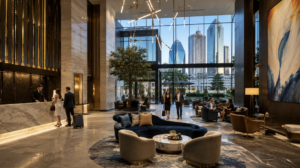
The hotel lobby used to be a pass-through space. Guests walked in, checked in, grabbed a key, and headed upstairs. That old way of thinking is no longer enough, especially in a competitive hospitality market like Dallas. Today, a hotel lobby is the first handshake, the first impression, the first photo opportunity, and often the first reason a guest decides whether a property feels worth the price.

Dallas hotels are not just competing with the hotel across the street anymore. They are competing with boutique stays, luxury brands, short-term rentals, convention hotels, lifestyle properties, and every visually impressive lobby a traveler has already seen online. In a city known for business travel, sports events, conventions, restaurants, shopping, and upscale development, boring hotel lobbies can quietly cost properties more than they realize.

That is why Commercial Interior Design Dallas has become more than a design service. For hotels, it is a business strategy. A well-designed lobby can influence guest confidence, online reviews, social media sharing, booking decisions, event inquiries, and the overall reputation of the hotel.

🏨 A Dallas hotel lobby should not feel like empty square footage. It should feel like a reason to stay.

The Lobby Is No Longer Just a Check-In Area

A modern hotel lobby has to do more than hold a front desk and a few chairs. It now functions as a welcome center, lounge, casual workspace, meeting spot, brand statement, and social media backdrop. Guests may arrive early and need a comfortable place to wait. Business travelers may need a quiet corner to open a laptop. Couples may want a stylish spot to meet before dinner. Event guests may judge the rest of the property before they even see the ballroom.

Dallas is a city with strong hospitality demand and an active travel economy. Visitors come for conferences, weddings, sporting events, corporate meetings, concerts, medical appointments, and weekend getaways. According to Visit Dallas, the city continues to promote itself as a major destination for attractions, restaurants, neighborhoods, and events. That means hotels have to think beyond beds and bathrooms. They need spaces that support the entire visitor experience.

A boring lobby can make a hotel feel dated, even when the rooms are clean and the staff is excellent. Guests often make emotional judgments quickly. If the lighting feels harsh, the furniture looks generic, the layout feels awkward, or the space lacks personality, it can create an impression that the hotel is behind the times. On the other hand, a thoughtful lobby can make a property feel polished, memorable, and worth recommending.

Dallas Hotel Competition Is Getting Stronger

Dallas is not standing still. The hotel market continues to draw attention from developers, investors, and hospitality brands. Reports from Lodging Econometrics have highlighted Dallas as one of the leading U.S. markets for hotel openings and development pipeline activity. More rooms, more brands, and more properties mean guests will have more choices.

When supply increases, design matters even more. A hotel cannot rely only on location or room rates if nearby competitors offer a better visual experience, better lobby flow, better amenities, and more inviting public spaces. Guests may compare hotels before booking by looking at photos, reviews, lobby images, restaurant spaces, and event areas. If a hotel’s lobby looks bland online, it may never even make the shortlist.

This is especially important for independent hotels, boutique hotels, older properties, and mid-market hotels that want to compete with newer brands. A renovation does not always have to mean tearing everything apart. Strategic design improvements can modernize the guest experience through better lighting, updated seating, improved traffic flow, stronger brand colors, better materials, local art, hospitality-focused furniture, and more functional zones.

In a crowded market, a beautiful lobby gives guests something to remember. A boring one gives them nothing to talk about.

Design Shapes Trust Before the Guest Says a Word

Hotel guests may not consciously analyze interior design, but they feel it. They notice whether a space feels clean, cared for, safe, current, and professional. A lobby that feels neglected can create doubt. Guests may wonder if the rooms are outdated, if maintenance is behind, or if the hotel experience will match the price.

Trust is especially important in Dallas because the city serves many types of travelers. Corporate guests expect efficiency and polish. Wedding parties expect beauty and comfort. Convention attendees expect convenience. Luxury travelers expect atmosphere. Families expect safety and ease. A hotel lobby has to quietly communicate that the property knows what it is doing.

The City of Dallas Economic Development Department notes that the Dallas Tourism Public Improvement District includes hotel properties with at least 100 rooms and supports efforts tied to hotel room demand and tourism promotion. That kind of tourism structure shows how important hotels are to the broader Dallas economy. When hotels are part of a larger destination experience, the quality of their public spaces matters.

A professional lobby design can help communicate confidence through every detail. The front desk should be easy to find. Seating should feel intentional. Pathways should be clear. Lighting should be warm but practical. Materials should feel durable and elevated. The space should not feel random. It should feel planned.

Guests may not say, “This lobby has strong commercial design strategy.” They are more likely to say, “This place feels nice.” That simple reaction can influence the whole stay.

Social Media Has Turned Hotel Lobbies Into Marketing Assets

A hotel lobby is no longer seen only by the guests who walk through it. It can be photographed, posted, tagged, reviewed, and shared by hundreds or thousands of people. A stylish lobby can become free marketing. A boring lobby disappears.

Travelers often share photos of hotel entrances, lounge areas, restaurants, bars, art walls, fireplaces, seating areas, staircases, and statement lighting. Those images help future guests decide whether the property feels exciting or forgettable. In Dallas, where restaurants, nightlife, art, shopping, and business events all contribute to the city’s image, hotels benefit when their interiors feel connected to the energy of the city.

A good lobby gives guests a reason to take out their phones. It might be a dramatic light fixture, a comfortable seating area, a local mural, a refined reception wall, a beautiful bar, or a cozy lounge corner. These design choices are not just decorative. They create shareable moments.

The strongest hotels understand that every guest with a phone can become a small marketing channel. If the lobby looks impressive, guests may post it. If it looks ordinary, they probably will not.

Dallas Hotels Need Local Character, Not Generic Design

One of the biggest mistakes hotels make is designing spaces that could be anywhere. Dallas guests do not want a lobby that feels copied from a national template with no connection to the city. They want a sense of place.

Dallas has a distinct identity. It is business-focused, stylish, bold, diverse, and constantly evolving. The city has deep connections to commerce, arts, sports, dining, architecture, and cultural history. Even a simple overview of Dallas on Wikipedia shows the city’s scale and influence as one of the major urban centers in Texas and the United States.

Hotel design should reflect that local energy without becoming cheesy or overdone. That may mean using materials, artwork, colors, textures, and layouts that feel warm, upscale, and regionally aware. It could include local artists, Dallas-inspired photography, subtle architectural references, or design elements that nod to the city’s modern business culture.

Guests can tell when a hotel feels authentic. They can also tell when a space feels like a generic furniture package ordered without imagination. Local character helps a hotel become part of the destination instead of just a place to sleep.

A Better Lobby Can Increase Revenue Opportunities

A lobby is not just a cost center. When designed correctly, it can help generate revenue.

A beautiful lobby can support a lobby bar, coffee area, coworking lounge, small meeting space, retail display, or event pre-function area. It can encourage guests to spend more time on the property instead of leaving immediately after check-in. If guests feel comfortable gathering downstairs, they may buy drinks, order food, hold informal meetings, or invite others to meet them at the hotel.

Hotels with strong public spaces may also attract more event interest. Wedding planners, corporate meeting organizers, and group travel coordinators often care deeply about first impressions. If the lobby feels elegant and organized, it can make the rest of the property feel more appealing.

Industry coverage from Hotel Management has pointed to Dallas as a major hotel construction market, which means hotels need to look at design as part of long-term positioning. Properties that invest in public areas may be better prepared to compete against newer hotels entering the market.

A lobby redesign can improve how guests move, where they gather, how they interact with staff, and how they perceive the value of the hotel. That can support stronger reviews, better guest satisfaction, and a more competitive property image.

Interior Design Helps Solve Real Operational Problems

Good hotel design is not only about making a space look beautiful. It also helps solve operational problems.

A poorly planned lobby may create check-in bottlenecks, awkward seating arrangements, confusing entrances, noise issues, poor lighting, and wasted square footage. Guests may not know where to stand, where to sit, or where to go next. Staff may struggle with inefficient layouts. Groups may crowd areas that were never designed to handle them.

Professional commercial interior design looks at how people actually use the space. Where do guests enter? Where do they pause? Where does luggage go? Where do lines form? Where do business travelers want to sit? Where do families wait? Where should lighting be brighter? Where should the space feel more relaxed?

Hotels often have valuable square footage that is underused because the layout is not inviting. A design team can help turn dead zones into useful seating, private corners, brand moments, or revenue-producing areas. In a city where hotel real estate is valuable, wasted lobby space is a missed opportunity.

Luxury and Boutique Expectations Are Changing the Standard

Not every Dallas hotel needs to be a five-star luxury property, but every hotel is being judged against higher visual standards. Boutique hotels, lifestyle brands, and luxury renovations have changed what guests expect.

Coverage from Hospitality Design has reported on luxury hotel development tied to Dallas projects, showing how high-end hospitality brands continue to shape expectations in the market. When visually strong hotels enter a city, they raise the bar for everyone.

A mid-market hotel does not need marble everywhere or extravagant chandeliers to compete. It does need a lobby that feels intentional, clean, updated, comfortable, and aligned with its guests. Even simple improvements can make a major difference. Better lighting can make the space feel warmer. Updated furniture can make it feel more current. Improved signage can reduce confusion. New textures can make it feel more expensive. A smarter layout can make it feel more welcoming.

The goal is not to copy luxury hotels. The goal is to make the best possible impression for the property’s brand, budget, and audience.

Reviews Often Begin With First Impressions

Online reviews are powerful in hospitality. Guests may mention rooms, staff, breakfast, cleanliness, parking, location, and noise, but the emotional tone of a review often starts at arrival. If the first impression is strong, guests may be more forgiving of small inconveniences. If the first impression is weak, they may notice every flaw.

A boring or outdated lobby can make guests feel like they overpaid. A beautiful, comfortable lobby can make the same rate feel more reasonable. That perception matters.

For Dallas hotels that serve business travelers, convention attendees, wedding guests, families, and tourists, the lobby is often the beginning of the guest story. It sets expectations. It tells guests whether the property is modern, professional, thoughtful, and worth returning to.

This is why lobby design should not be treated as a surface-level upgrade. It is part of reputation management. It influences photos, reviews, guest confidence, and brand memory.

Conclusion: Dallas Hotels Need Lobbies That Work Harder

Dallas hotels can no longer afford boring lobbies because guests no longer see lobbies as background space. They see them as part of the experience. They judge them in person. They compare them online. They photograph them. They review them. They remember them.

In a competitive Dallas hospitality market, a hotel lobby should welcome guests, support operations, reflect the city, strengthen the brand, and create moments worth sharing. It should make travelers feel confident from the second they walk through the door.

Commercial interior design gives Dallas hotels the ability to turn underwhelming spaces into strategic assets. It helps properties look more professional, feel more valuable, and compete in a market where first impressions can directly affect bookings, reviews, and revenue.

A boring lobby says, “This is where you check in.”

A powerful lobby says, “You made the right choice.”

Why Every Hotel Should Care About Large Acreage Vegetation Management in Mt. Lookout WV

Hotel News for Large Acreage Vegetation Management Mt. Lookout WV

Hotels in West Virginia have always had a special advantage: the land itself. Guests do not come to the Mountain State only for a room, a bed, or a convenient place to stop for the night. They come for views, fresh air, quiet hillsides, outdoor recreation, mountain roads, family trips, business travel, and the kind of natural beauty that makes West Virginia feel different from everywhere else. 🌄

For hotels near Mt. Lookout and the surrounding region, that natural setting can be one of the strongest selling points. But beautiful land also comes with responsibility. Large properties, wooded areas, roadside frontage, open acreage, trails, hillsides, and unused land can quickly become difficult to manage when vegetation is left unchecked. Overgrowth does not just affect appearance. It can affect safety, guest experience, property access, visibility, pest control, drainage, fire prevention, and long-term property value.

That is why hotels, lodges, resorts, and hospitality properties should pay close attention to Large Acreage Vegetation Management Mt. Lookout WV. This type of land care is not just a maintenance task. It is part of protecting the guest experience, strengthening the property’s reputation, and keeping the land ready for the future.

First Impressions Begin Before the Lobby

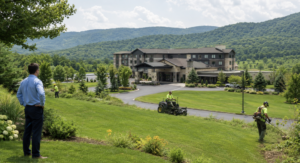
A hotel guest forms an opinion long before they reach the front desk. The driveway, road frontage, entrance, parking lot, signage, and surrounding property all speak before a staff member ever says welcome. If the acreage around a hotel looks overgrown, neglected, unsafe, or difficult to access, that impression can follow the guest inside.

In a place like West Virginia, where visitors often expect scenic beauty and peaceful surroundings, land appearance matters even more. The official West Virginia Tourism site highlights the state’s outdoor beauty, road trips, parks, small towns, and places to stay. That matters for hotels because the state itself is selling an experience. When a property is surrounded by unmanaged brush, blocked views, invasive growth, or tangled roadside vegetation, it can weaken the very image guests came to enjoy.

Large acreage vegetation management helps hotels create a more welcoming environment. Clean sightlines, accessible green space, managed tree lines, open driveways, and safer walking areas all contribute to a stronger first impression. Guests may not know the exact work that went into making the land look good, but they will feel the difference.

Guest Safety Should Always Include the Land Around the Hotel

Hotels naturally think about safety inside the building. They maintain locks, lighting, stairways, smoke detectors, walkways, and parking areas. But outdoor acreage also plays a major role in guest safety, especially when the property includes wooded land, steep slopes, fields, service roads, or recreational areas.

Overgrown vegetation can hide uneven ground, drainage problems, fallen limbs, holes, wildlife activity, and debris. Brush can reduce visibility around entrances, driveways, and parking lots. Tall grass and unmanaged growth near buildings can also create issues with insects, rodents, and other pests.

For hotel owners and managers, safety is not just about preventing problems. It is about creating confidence. Guests want to feel comfortable walking to their cars, enjoying the outdoor space, taking photos, or exploring the property. A well-managed landscape helps the property feel intentional instead of forgotten.

The West Virginia Hospitality & Travel Association represents lodging, restaurants, attractions, convention and visitors bureaus, and tourism-related businesses across the state. Hospitality is about more than booking rooms. It is about protecting the entire experience around the guest. For properties with acreage, that experience includes the land.

Large Acreage Vegetation Management Helps Protect Hotel Access and Visibility

Hotels depend on visibility. Guests need to find the property easily, see signs clearly, enter safely, and navigate parking areas without confusion. Delivery vehicles, maintenance crews, emergency responders, buses, and service providers also need clear access.

When vegetation grows too close to roads, entrances, driveways, and signs, it can create real problems. A blocked sign can cost a hotel visibility. A narrow or overgrown entrance can make a property feel less maintained. Low branches and brush near service roads can make deliveries harder. Overgrowth around drainage areas can contribute to standing water or washout concerns.

Large acreage vegetation management can help keep access points open and useful. This is especially important in rural and mountain areas, where road curves, elevation changes, wooded surroundings, and seasonal weather can already make visibility more challenging. A hotel cannot afford for guests to wonder whether they have arrived at the right place.

Good land management supports better movement across the property. It helps separate guest areas from service areas, keeps key pathways clear, and allows the hotel to use its acreage more effectively.

Hotels Benefit When Outdoor Space Feels Usable

Many hotel properties have land that could be doing more for the business. Open acreage can support walking paths, picnic areas, outdoor seating, event space, scenic overlooks, pet-friendly areas, small gathering spaces, photo spots, or future expansion. But land only becomes an asset when it is cared for.

Unmanaged land often becomes dead space. Guests avoid it because it looks rough, unsafe, or uninviting. Staff avoids it because it is hard to maintain. Owners overlook it because it seems like a problem instead of an opportunity.

Vegetation management can change that. By clearing overgrowth, improving access, and shaping the land with purpose, hotels can create outdoor areas that support guest satisfaction. Even simple improvements can make a difference. A cleared view, a safer walking edge, a cleaner entrance, or a more open lawn area can make the property feel larger, more peaceful, and more valuable.

The West Virginia Association of Convention & Visitors Bureaus connects tourism communities throughout the state. For hotels, that connection matters because visitors often choose lodging based on the overall destination experience. When a hotel’s outdoor property feels clean and usable, it becomes part of the destination instead of just a place to sleep.

West Virginia Tourism Growth Makes Property Presentation More Important

West Virginia continues to build its reputation as a destination for outdoor recreation, scenic travel, small-town charm, and hospitality. The state’s official tourism resources, including the West Virginia Travel Guide, show how much emphasis is placed on road trips, accommodations, parks, and memorable places to stay.

That creates an opportunity for hotels, but it also raises the standard. Guests are comparing experiences. They are looking at photos, reading reviews, checking maps, and making decisions based on trust. A hotel with a well-kept exterior and managed acreage can appear more dependable, more welcoming, and more connected to the natural beauty of the area.

Online reviews often mention things that happen outside the room. Guests notice parking lots, lighting, noise, views, grounds, landscaping, walking areas, and whether a property feels safe. Large acreage vegetation management supports those details. It helps the property look better in photos, feel better in person, and perform better as part of the guest experience.

For hotels near Mt. Lookout, this can be especially important because the surrounding land is part of the appeal. Guests may be traveling for outdoor recreation, work, family visits, events, road trips, or peaceful mountain scenery. The more cared-for the land feels, the more the hotel supports the reason guests came to West Virginia in the first place.

Managed Vegetation Can Help Reduce Long-Term Property Problems

Ignoring large acreage rarely saves money over time. Overgrowth can make future work harder and more expensive. Small trees become larger obstacles. Brush thickens. Access paths disappear. Drainage areas clog. Invasive plants spread. Pests gain more cover. Dead limbs and fallen vegetation collect in areas that should stay clear.

Routine vegetation management helps hotels stay ahead of those problems. It gives property owners more control over the land instead of letting the land become a surprise expense later.

This is especially valuable for hotels that want to plan future improvements. If an owner may eventually add cabins, parking, outdoor amenities, event areas, trails, or additional buildings, the land should be maintained with that future in mind. Managed acreage is easier to evaluate, easier to use, and easier to improve.

The West Virginia Tourism Development Act shows how important tourism-related development can be to the state’s economy and future growth. Hotels that take care of their property are not just maintaining land. They are protecting a hospitality asset.

Vegetation Management Supports the Hotel Brand

A hotel brand is not only built through logos, colors, websites, and room design. It is built through every part of the guest experience. The outdoor property plays a major role in how guests describe the hotel to others.

A well-managed property can communicate care, pride, safety, and professionalism. It can make a hotel feel peaceful, scenic, and reliable. On the other hand, unmanaged acreage can make even a clean hotel feel less polished.

For independent hotels, family-owned lodges, boutique stays, roadside hotels, and rural hospitality properties, land care can become a quiet competitive advantage. It helps the property stand out without needing to say much. Guests can see the difference when a hotel cares about the details.

West Virginia itself has a strong identity tied to mountains, forests, rivers, and natural beauty. The state’s background and tourism appeal are closely tied to its landscape, as explained in Wikipedia’s overview of West Virginia. Hotels that manage their acreage well are aligning their property with that larger identity. They are showing guests that the land is part of the experience, not an afterthought.

Hotels With Acreage Need More Than Basic Lawn Care

Large acreage vegetation management is different from basic mowing. A hotel may need brush control, clearing, trimming, access improvement, slope management, tree line maintenance, roadside visibility work, field clearing, trail opening, or preparation for future land use. The larger the property, the more important it becomes to look beyond ordinary landscaping.

Basic lawn care may keep the front entrance neat, but it may not address the full property. Hotels with acreage need a broader view. They need to think about the whole land: where guests go, where staff works, where vehicles travel, where water moves, where pests may gather, where views are blocked, and where future opportunities may exist.

That is why professional vegetation management can be such a smart investment. It helps hotel owners take control of the property instead of reacting to problems one season at a time. It also allows the land to support the hotel’s goals, whether those goals include better appearance, safer access, guest enjoyment, or future development.

Conclusion

Every hotel wants guests to feel welcome, safe, comfortable, and impressed. In Mt. Lookout WV and throughout West Virginia, the land around a hotel can help create that feeling or take away from it. Large acreage vegetation management is not just about cutting brush or clearing space. It is about protecting the property, improving the guest experience, strengthening curb appeal, and helping the hotel make better use of the land it already owns.

For hotels, land is part of the brand. It affects first impressions, online reviews, safety, access, visibility, and long-term value. When acreage is cared for properly, it becomes more than open space. It becomes a reason guests remember the property for the right reasons. 🌿

Hotels that care about growth, reputation, and guest satisfaction should care about vegetation management. The outside of the property tells a story before guests ever walk inside. With the right land care, that story can say exactly what every hotel wants guests to feel: this place is clean, cared for, safe, beautiful, and ready to welcome you.

Women’s Concealed Clothing for Women: The Travel Trend Hotel Guests Are Paying Attention To

Hotel News for Women’s Concealed Clothing for Women

Travel has changed. Hotel guests are not only looking for soft beds, fast Wi-Fi, clean rooms, and beautiful lobby spaces anymore. They are also thinking more carefully about privacy, personal safety, confidence, and how prepared they feel when they are away from home. For many women, that shift has created new interest in clothing that supports everyday movement, travel comfort, and discreet personal protection.

That is one reason Women’s Concealed Clothing for Women is becoming a topic more hotel guests are paying attention to. Whether a woman is traveling for work, checking into a hotel alone, attending a conference, visiting family, or taking a weekend getaway, what she wears can influence how comfortable, confident, and prepared she feels during the entire trip.

Hotels have always played a major role in travel safety. From front desk procedures to room access policies, lighting, cameras, locks, emergency exits, and staff training, the hotel environment matters. But guest safety is not only about the property itself. It is also about the decisions travelers make before they arrive, including how they pack, what they wear, and how they move through unfamiliar spaces.

Hotel Guests Are Thinking Differently About Personal Safety

Modern travelers are more aware than ever. They read reviews before booking, look at neighborhood safety, pay attention to hotel entrances, and notice whether hallways, parking lots, and elevators feel secure. This is especially true for women traveling alone or with children.

Government travel resources such as the U.S. Department of State lodging safety guide encourage travelers to check room locks, inspect hotel rooms after arrival, make sure phones work, and report anything unusual. That kind of guidance shows how important hotel safety has become as part of the overall travel experience.

Women’s concealed clothing fits naturally into that larger conversation because it is about being thoughtful before a trip begins. Instead of relying only on handbags, luggage, or outerwear, many women are looking for clothing that helps them keep important personal items close while still feeling put together.

That can matter in hotels because guests often move through many shared spaces. A woman may walk from the parking garage to the lobby, from the lobby to the elevator, from the elevator to her room, or from her room to a conference area, gym, restaurant, or pool. In those moments, clothing that feels secure and practical can help reduce stress.

Why Hotel Travel Creates Unique Safety Concerns

Hotels are public and private at the same time. A guest has a private room, but she is still surrounded by shared hallways, shared entrances, shared elevators, and people she does not know. This makes hotels different from staying at home.

Hotel safety news often focuses on key control, unauthorized access, staff training, guest privacy, emergency response, and situational awareness. Industry groups such as the American Hotel & Lodging Association have emphasized safety and security initiatives for hotel employees and guests, showing that protection is a major priority across the hospitality industry.

For travelers, the goal is not to be fearful. The goal is to be wise. A hotel guest can enjoy her stay while still making smart choices. That may include parking in well-lit areas, avoiding giving out room numbers, checking locks, using the deadbolt, and choosing clothing that supports comfort and readiness.

Women’s concealed clothing is part of that practical mindset. It allows women to think beyond fashion alone and consider how their clothing performs during real travel situations.

Comfort Matters When Women Are Traveling

Travel days can be long. A woman may sit in a car, stand in airport lines, carry bags, check into a hotel, unpack, attend meetings, meet clients, or walk through an unfamiliar city. Clothing needs to move with her, not work against her.

The rise of women’s concealed clothing is not only about safety. It is also about comfort and convenience. Many women want clothing that looks normal, feels good, and supports their lifestyle without drawing attention. They do not want to feel bulky, awkward, or overly tactical. They want something that blends into everyday life.

That is why this trend connects so well with hotel guests. A hotel stay often requires clothing that can transition from travel to check-in, from lobby to dinner, or from conference room to evening plans. The best travel clothing helps a woman feel confident in multiple settings.

Privacy Is a Bigger Part of Hotel Safety Than Many People Realize

Privacy is one of the main reasons people book hotels. Guests expect their rooms, belongings, identity, and personal space to be respected. But privacy also includes how much attention a traveler draws while moving through public areas.

Women’s concealed clothing supports privacy by helping women carry certain items discreetly and comfortably. Instead of constantly reaching into a purse, setting a bag down, or leaving belongings unattended, clothing with thoughtful concealed features can help keep essentials closer to the body.

Hotel guests are also becoming more aware of digital and physical security. Recent hotel safety discussions often include cyber scams, booking fraud, and privacy concerns, as travelers may receive fake messages or suspicious links related to reservations. Resources such as Hotel Dive regularly cover hospitality trends and hotel industry news, including issues that affect guest trust and hotel operations.

For women, privacy is not just about technology. It is about the full travel experience. It is about walking through a hotel without feeling exposed, keeping valuables secure, and feeling prepared in spaces where strangers are nearby.

Women Traveling Alone Are Driving the Trend

Solo female travel has grown in popularity, and business travel continues to put women in hotels by themselves across the country and around the world. These women are often confident, capable, and experienced, but they also understand the importance of planning.

A woman traveling alone may arrive late at night, check in after dark, park in a garage, ride an elevator with strangers, or walk a long hallway to her room. Even in a nice hotel, those moments can feel uncomfortable. The right clothing can help her feel more in control.

This is where concealed clothing becomes more than a style choice. It becomes part of a travel routine. Just like packing a phone charger, checking hotel reviews, saving the front desk number, or keeping a room key separate from an ID, choosing practical clothing can be one more layer of preparation.

Wikipedia’s overview of the hotel industry shows how broad and varied lodging can be, from small independent properties to large resorts and luxury brands. Because hotel environments can vary so much, travelers often benefit from creating their own personal safety habits that follow them wherever they go.

Hotel Safety Also Includes Awareness of Human Trafficking Prevention

Hotel safety news is not only about room locks and parking lots. It also includes serious industry-wide conversations about human trafficking awareness, employee training, and guest protection. Hotels are in a unique position because staff may notice warning signs that others miss.

The AHLA Foundation’s No Room for Trafficking initiative focuses on helping the hospitality industry recognize and respond to human trafficking concerns. Training programs like PACT’s hotel training also help hotel owners, operators, and employees understand how to identify warning signs and respond appropriately.

These efforts matter because safety is not one-dimensional. A hotel can be beautiful, modern, and expensive, but safety still depends on training, awareness, procedures, and guest confidence. When women pay attention to concealed clothing, they are participating in a broader culture of awareness. They are saying that preparation matters.

The Best Travel Clothing Helps Women Move With Confidence

Confidence is one of the biggest reasons women are interested in concealed clothing. It is not about looking defensive or changing who they are. It is about feeling steady, calm, and prepared while moving through the world.

For hotel guests, confidence can influence the entire stay. A woman who feels secure may be more comfortable walking to breakfast, attending a hotel event, going to the fitness center, or stepping outside for a rideshare. She may feel less distracted and more able to focus on the reason she traveled in the first place.

Good travel clothing should not make a woman feel restricted. It should support her natural routine. It should work with her body, her schedule, and her surroundings. Whether she is staying at a downtown hotel for a business meeting or checking into a resort for vacation, clothing that combines comfort and thoughtful design can make the experience feel smoother.

Hotel Brands Benefit When Guests Feel Safer

Safety is not only important for travelers. It is also important for hotels. Guest trust is one of the most valuable parts of the hospitality business. When guests feel protected, respected, and cared for, they are more likely to return, leave positive reviews, and recommend the property to others.

Research published through the National Library of Medicine has examined how hotel safety-focused services can influence guest expectations and satisfaction. That connection matters because travelers do not separate comfort from safety. A hotel may have beautiful décor, but if a guest feels uneasy, the stay is affected.

This is one reason hotel websites, travel blogs, and hospitality publications should pay attention to trends like women’s concealed clothing. It reflects what guests are already thinking about. It also gives hotels an opportunity to speak to modern travelers in a more meaningful way.

Packing With Purpose Is Becoming More Popular

The old way of packing was mostly about outfits. The new way of packing is about purpose. Women want clothing that can do more. They want outfits that work for travel days, hotel stays, meetings, dinners, and unexpected moments.

Concealed clothing supports that purpose-driven mindset. It can help reduce reliance on bags, support personal organization, and give women a practical way to keep certain items close. For hotel guests, that can feel especially useful during check-in, checkout, elevator rides, breakfast areas, and late-night arrivals.

This does not mean every woman packs the same way. Some travel for work. Some travel with children. Some travel for sports, events, weddings, church retreats, conferences, medical appointments, or vacations. But across all of those travel situations, women often want the same thing: to feel comfortable, confident, and prepared.

A Smart Trend for Today’s Hotel Guest

Women’s concealed clothing is getting attention because it meets a real need. It combines style, awareness, comfort, and practicality in a way that makes sense for today’s traveler. Hotel guests are paying attention because the hotel experience includes more than the room itself. It includes the parking lot, lobby, elevator, hallway, restaurant, meeting space, and every moment in between.

As hotel safety news continues to focus on guest protection, privacy, employee training, and smarter travel habits, concealed clothing gives women another tool to consider. It is not about fear. It is about confidence. It is about preparing well so the trip can be enjoyed with more peace of mind. ✈️

Conclusion

Women’s concealed clothing has become more than a fashion trend. For hotel guests, it represents a practical shift toward smarter, more intentional travel. Women are thinking about how they move, where they stay, what they carry, and how they can feel more secure without sacrificing comfort or personal style.

Hotels will continue to improve safety through better training, stronger procedures, and increased awareness. Travelers will continue to make personal choices that help them feel more confident away from home. Together, those efforts create a better travel experience.

For women checking into hotels, attending conferences, taking solo trips, or planning their next getaway, concealed clothing is a trend worth noticing. It supports the modern traveler who wants to look good, feel comfortable, stay aware, and move through every hotel stay with confidence.

The Hotel Safety Upgrade Most Owners Overlook: Commercial Doors Houston

Hotel News for Commercial Doors Houston

Hotel owners spend a lot of time thinking about guest experience. They focus on clean rooms, comfortable beds, friendly front desk service, fast check-in, updated lobbies, convenient parking, and strong online reviews. All of those things matter. But one major part of the hotel experience often gets overlooked until there is a problem: the doors.

In a busy hospitality market like Houston, doors are more than simple entry points. They help protect guests, guide movement through the property, support fire safety, create first impressions, secure restricted areas, and help staff manage daily operations. From the front entrance to guest room corridors, service areas, stairwells, kitchens, storage rooms, conference spaces, pool access points, and back-of-house areas, commercial doors quietly support the safety and function of the entire property.

That is why hotel owners, general managers, facility directors, and property management teams should pay closer attention to door systems before a small issue becomes a major concern. Houston’s hotel industry continues to grow and shift with major hospitality activity, downtown development, sports tourism, conventions, and international events. As more guests come through the city, hotel safety, access control, and property readiness become even more important.

For hotels reviewing upgrades, repairs, or replacements, Commercial Doors Houston should be viewed as a property investment, not just a maintenance task.

Houston’s Hotel Market Is Getting More Competitive 🏨


Houston is not a small hospitality market. It is one of the largest and most active cities in the United States, with major business travel, medical travel, energy industry activity, sports tourism, conventions, cultural events, and international visitors moving through the area year-round. According to Wikipedia’s overview of Houston, the city is the largest in Texas and one of the largest in the country, which naturally creates steady demand for hotels, extended-stay properties, conference lodging, and hospitality services.

Recent Houston hotel news shows why property readiness matters. Houston First reported that March was a strong month for Houston hotels, with occupancy reaching 70% for the overall market and revenue growing compared with the previous year. When occupancy rises, every part of a hotel works harder. More guests mean more luggage carts rolling through entrances, more staff movement behind the scenes, more deliveries, more room turns, more maintenance requests, and more use of access points throughout the building.

That type of traffic puts pressure on door systems. A loose closer, dragging door, worn hinge, damaged frame, weak lock, or poorly sealed exterior entrance may seem minor during a slow week. During high occupancy, it can quickly become a guest complaint, security concern, operational slowdown, or safety issue.

Hotels cannot afford to treat doors as an afterthought. In a competitive Houston market, small details can shape the way guests feel about the property.

First Impressions Start Before the Front Desk 🔐


A guest begins judging a hotel before they ever speak to the front desk. The parking lot, exterior lighting, signage, walkways, entrance doors, and lobby access all create an immediate feeling. If the entrance door sticks, slams, drags, looks damaged, or feels unsecured, it can quietly affect trust.

Hotels are built on confidence. Guests want to feel like they made a smart choice. They want to feel safe walking in at night. They want the entry to feel clean, secure, and well-maintained. Commercial doors help create that first impression because they are one of the first physical parts of the property a guest touches.

This matters even more as Houston continues preparing for large-scale visitor activity. Houston First has highlighted major hospitality projects and events coming to Houston in 2026, including hotel expansions, tourism activity, and events expected to bring more attention to the city. When visitors arrive for major events, many will compare hotel experiences quickly. Properties that feel updated, safe, and easy to navigate have an advantage.

A strong commercial door system supports that impression. The entrance should open smoothly, close properly, meet accessibility expectations, and handle repeated use without becoming noisy, loose, or unreliable. Doors should feel sturdy without feeling heavy or difficult. Hardware should look clean and function correctly. Glass, frames, thresholds, and locks should all support the professional image the hotel wants to present.

Commercial Doors Support Guest Safety in Ways Owners May Not Notice


Hotel safety is not limited to cameras, lighting, and staff training. Doors play a major role in separating public spaces from private areas, guiding emergency exits, slowing unauthorized access, and protecting sensitive parts of the property.

A hotel may have dozens or even hundreds of commercial doors, each with a purpose. Stairwell doors help support safe movement during emergencies. Fire-rated doors help separate areas of the building. Exterior doors help secure the perimeter. Storage room doors help protect supplies, equipment, and inventory. Kitchen and service doors help separate staff operations from guest spaces. Mechanical room doors help restrict access to systems that guests should never enter.

When these doors are neglected, safety can suffer. A door that does not latch properly may allow unauthorized entry. A closer that fails may leave a door propped open or slamming shut. A damaged frame can weaken security. A panic device that does not function correctly can create a serious issue during an emergency. A worn lock can make staff feel less confident about restricted areas.

For hotel owners, this is where prevention matters. Waiting until something breaks often costs more than addressing wear early. Regular inspections, timely repairs, and proper replacement planning can help reduce liability concerns, protect guests, and keep operations moving.

Houston Hotels Are Preparing for More International Attention 🌎


Houston’s hospitality industry is receiving more attention as the city prepares for major events, including World Cup-related travel. Houston First shared guidance on ways hotels can welcome World Cup guests, emphasizing how important the guest experience will be as travelers arrive from different cities and countries.

This kind of international attention raises expectations. Guests may be arriving after long flights, late-night travel, crowded events, busy transportation, and unfamiliar surroundings. A safe, smooth hotel arrival can make a big difference. Secure entrances, clear exits, well-functioning room corridors, and dependable access points all help create a better stay.

Visit Houston has also provided a Houston Hotel Playbook to help hotels maximize visibility and prepare for major visitor activity. While marketing and guest experiences are important, physical property readiness should be part of that conversation too. A hotel can promote amenities, location, and service, but if the property feels worn, unsecured, or difficult to navigate, guests will notice.

Doors are part of that readiness. They affect guest movement, staff efficiency, safety, accessibility, and the overall feel of the building. A property that upgrades its doors before peak demand is better positioned than one that waits for problems to happen during a rush.

Back-of-House Doors Matter Just as Much as Guest-Facing Doors


Many hotel owners think first about the lobby entrance, but back-of-house doors are just as important. Staff areas carry a lot of daily movement. Housekeeping teams move carts in and out of storage rooms. Maintenance staff access mechanical spaces. Kitchen staff move through service doors. Vendors make deliveries. Laundry areas, employee entrances, supply rooms, and loading zones all depend on durable commercial doors.

If these doors do not function properly, hotel operations slow down. Staff may prop doors open because they are hard to use. Locks may be bypassed because they are inconvenient. Hinges may loosen from constant impact. Frames may get dented by carts and equipment. Doors may fail to close fully after repeated use.

These issues do not just affect staff convenience. They can affect security, cleanliness, energy efficiency, and safety. A poorly secured service door can create risk. A damaged kitchen or storage door can affect workflow. A door that stays open can allow pests, weather, or unauthorized access into areas that should remain controlled.

Hotels run on systems. When the behind-the-scenes systems work well, guests feel the difference even if they never see what is happening. Strong commercial doors help staff do their jobs with less friction and fewer interruptions.

Renovations Should Include Door and Hardware Planning


Hotel renovations often focus on visible upgrades such as flooring, lighting, paint, furniture, room finishes, bathrooms, and lobby design. Those improvements are valuable, but door systems should be included in the planning stage.

Houston hotel development and renovation activity continues to make news. Houston First reported that a new dual-brand hotel opened in Downtown Houston, adding more rooms near Daikin Park and increasing hospitality capacity in the city. As new and renovated properties enter the market, older hotels may need to look carefully at the details that influence safety, appearance, and function.

A renovation that leaves old, damaged, or outdated doors in place can feel incomplete. Fresh paint and new flooring may improve the look, but worn doors, scratched frames, poor seals, and outdated hardware can pull down the overall impression. Even worse, old doors may not support the property’s current needs for security, access control, or traffic flow.

Door planning should include entrances, guest corridors, stairwells, meeting rooms, restrooms, employee areas, storage areas, pool access, fitness centers, kitchens, laundry rooms, and exterior service points. Hardware choices matter too. Closers, hinges, panic bars, locks, handles, thresholds, seals, and frames should match the way each space is used.

Commercial Doors Can Help Protect Reviews and Reputation ⭐


Online reviews can shape hotel revenue. Guests often mention cleanliness, safety, noise, maintenance, and whether the property feels updated. Doors can influence several of those categories.

A slamming door can create noise complaints. A room entry door that feels loose can make a guest feel unsafe. A hallway door that squeaks or drags can make the property feel neglected. An exterior door that does not close properly can raise concerns about security. A restroom door with broken hardware can frustrate guests attending meetings or events. A conference room door that sticks can make a business gathering feel less polished.

Most guests may not write, “The commercial doors need maintenance.” Instead, they may say the hotel felt old, loud, unsafe, poorly maintained, or not worth the price. That is why hotel owners need to think beyond the door itself and consider the guest perception attached to it.

In a city like Houston, where hotels serve business travelers, families, sports fans, convention guests, medical visitors, and international travelers, reputation matters. Every small physical detail either builds trust or chips away at it.

Security Is Not Just About the Front Entrance


Hotel security is layered. The front entrance matters, but so do side doors, stairwells, pool gates, meeting room doors, parking garage access points, employee entrances, storage areas, electrical rooms, and maintenance spaces. A single weak point can create a problem.

Commercial doors help define who belongs where. Guests should have easy access to approved areas. Staff should be able to move efficiently through work areas. Restricted rooms should remain secure. Emergency exits should function correctly. Public and private spaces should be clearly separated.

When doors are outdated or poorly maintained, those boundaries become weaker. This can lead to unauthorized access, theft, guest safety concerns, staff frustration, and liability exposure. Hotel owners should not wait for an incident before reviewing door security.

Access control may also be part of the conversation. Some hotel areas need keyed locks, card access, panic hardware, automatic closers, reinforced frames, or fire-rated assemblies. The right solution depends on the door’s location and purpose. A front entrance, stairwell, linen room, conference space, and loading dock should not all be treated the same.

Door Maintenance Is a Smart Long-Term Investment


Commercial doors are used constantly. In hotels, they may be opened and closed hundreds or thousands of times each week. Over time, hardware loosens, seals wear down, hinges shift, closers lose tension, frames take impact, and locks begin to fail.

Routine maintenance helps catch issues early. A small adjustment today can prevent a larger repair later. Replacing worn hardware before it fails can reduce emergency service calls. Fixing a door that does not latch can improve security immediately. Updating older doors can help the property look better and operate more smoothly.

This is especially important when Houston hotels are experiencing stronger demand periods and preparing for more visitor activity. When occupancy is high, maintenance problems are more disruptive. A door issue during a slow period may be inconvenient. The same issue during a sold-out weekend can become a major operational headache.

Hotel owners who plan ahead are better positioned to protect their properties, staff, guests, and reputation.

Conclusion


Commercial doors may not be the flashiest hotel upgrade, but they are one of the most important. They support safety, security, guest confidence, staff workflow, emergency readiness, first impressions, and long-term property value. In a growing Houston hospitality market, those details matter more than many owners realize.

Hotels are judged by how they feel the moment a guest arrives. A clean lobby matters. Friendly service matters. Comfortable rooms matter. But the doors guests walk through, the doors staff rely on, and the doors that protect restricted areas all help shape the experience.

For Houston hotel owners, commercial doors should not be treated as an afterthought. They should be part of the property’s safety plan, renovation strategy, guest experience, and long-term investment approach. A stronger door system can help a hotel feel safer, operate better, and stand out in a market where trust is everything.

How Mobile Fuel Delivery Salt Lake City Services Help Hotels Stay Ready 🏨

Hotel News for Mobile Fuel Delivery Salt Lake City

Hotels in Salt Lake City operate in a market where preparation matters every day. Guests arrive from business meetings, conventions, family trips, ski vacations, airport travel, weddings, sporting events, medical visits, and downtown entertainment. That kind of movement creates steady pressure on hotel operations, especially when a property relies on shuttles, maintenance equipment, backup generators, landscaping tools, service vehicles, or other fuel-powered resources to keep the guest experience running smoothly.

Salt Lake City is not just a stop on a map. It is a growing hospitality market with access to mountains, a busy downtown, a major airport, convention activity, and year-round tourism. The city’s connection to travel, lodging, and regional business makes reliability a serious priority for hotels of every size. A hotel may look calm at the front desk, but behind the scenes there are teams managing arrivals, transportation, maintenance, emergency readiness, deliveries, events, and guest services all at once.

That is where Mobile Fuel Delivery Salt Lake City becomes a valuable support service for hotels that want to stay prepared without slowing down daily operations. Instead of sending staff off-site for fuel or waiting until a tank is nearly empty, mobile fuel delivery brings fuel directly to the property, job area, fleet, tank, or equipment location. For hotels, that convenience can support uptime, improve planning, and help teams stay focused on guest care.

Salt Lake City Hotels Depend on Steady Operations

Hotel guests may never see the operational details that keep a property moving, but they feel the results. A shuttle that arrives on time, a parking lot that stays cleared, a generator that is ready during an outage, and grounds equipment that works when needed all contribute to a smooth stay. Fuel is not always the most visible part of hospitality, but it supports many pieces of the hotel experience.

Salt Lake City’s hospitality environment is shaped by business travel, tourism, outdoor recreation, conventions, and city growth. According to Visit Salt Lake, the region continues to position itself as a destination for meetings, vacations, events, dining, and outdoor access. For hotels, that means consistency is not optional. Guests expect professional service whether the property is dealing with a full weekend, a convention rush, winter weather, or a busy airport travel period.

Hotels with shuttles, vans, maintenance trucks, diesel tanks, backup power systems, and outdoor service equipment need a fuel plan that supports real-world demand. When fuel is handled reactively, staff can lose time, schedules can be interrupted, and managers may have one more problem added to an already busy day. Mobile fuel delivery helps remove that friction by making fuel access more predictable.

Fuel Readiness Supports the Guest Experience

In hospitality, small delays can create a bigger impression than managers expect. A guest waiting for a hotel shuttle does not care that a van needed fuel. A maintenance team trying to respond to an issue does not need to lose time coordinating an off-site fuel run. A hotel hosting an event cannot afford unnecessary interruptions caused by poor preparation.

Salt Lake City hotels often serve travelers moving between downtown, the airport, convention spaces, restaurants, ski areas, hospitals, universities, and business districts. The Salt Lake City International Airport plays a major role in regional travel, which makes dependable transportation and hotel logistics important for many properties. Hotels near the airport or downtown may rely on fuel-powered vehicles daily, especially when managing guest arrivals and departures.

Mobile fuel delivery helps hotels keep those vehicles and resources ready. Instead of making multiple fuel trips, hotel teams can schedule fuel service around property needs. This allows managers to focus on staffing, rooms, maintenance, housekeeping, food service, events, and guest support while fuel is handled more efficiently.

Hotel Growth Makes Preparedness More Important

Salt Lake City continues to draw attention in the hospitality and development world. Recent coverage from Hotel Dive reported on a planned Kimpton hotel in downtown Salt Lake City, reflecting continued interest in the city’s hotel market. More hotel development can bring more visitors, more competition, and higher expectations for service quality.

Local development coverage from Building Salt Lake has also discussed downtown hotel activity, showing how lodging growth and development conversations remain part of the city’s business landscape. For hotel owners and operators, this matters because a stronger hotel market often raises the bar for operational excellence.

Guests compare experiences quickly. They notice delays, missed transportation, poor communication, property issues, and slow responses. A hotel that stays prepared can protect its reputation and keep service moving even during high-demand periods. Fuel delivery may not be glamorous, but it supports the kind of behind-the-scenes reliability that helps a hotel stand out.

Convention and Event Traffic Add Pressure to Hotel Teams

The convention side of Salt Lake City creates another reason hotels need dependable fuel planning. The Salt Palace Convention Center brings meetings, conferences, trade shows, and large events into the downtown area. These events can increase room demand, transportation needs, delivery schedules, and property activity.

When a hotel is full, every department feels the pressure. Valet teams move faster. Shuttle schedules tighten. Maintenance calls increase. Housekeeping turns rooms quickly. Food and beverage teams prepare for more guests. Managers coordinate more moving parts in less time.

During those busy periods, fuel cannot become an afterthought. A property that depends on fuel-powered vehicles, tanks, or equipment needs to know those resources are ready before the rush begins. Mobile fuel delivery allows hotel teams to plan ahead instead of reacting after a problem appears.

Backup Power Readiness Matters for Hotels

Hotels carry a responsibility to provide a safe and dependable environment. Power outages, severe weather, infrastructure issues, and emergencies can create serious challenges for hospitality properties. Backup generators can help support critical systems, lighting, communication, refrigeration, elevators, security, and guest safety depending on the property’s setup.

A backup generator is only helpful if it is maintained and fueled properly. Hotels that wait too long to check fuel levels may face unnecessary risk when an outage occurs. Mobile fuel delivery can help support generator readiness by bringing fuel directly to the location before it becomes urgent.

Salt Lake City’s climate and geography also make preparation important. Winter weather, mountain travel, and seasonal tourism can create added pressure during certain times of the year. The city’s broader identity, history, and regional importance are well documented through resources such as Wikipedia’s Salt Lake City page, which highlights its role as Utah’s capital and a major metropolitan center. Hotels operating in such a central destination benefit from having practical systems in place before challenges arise.

Mobile Fuel Delivery Helps Staff Save Time

Hotel teams are often stretched across many responsibilities. A manager may be handling guest issues, vendor coordination, staffing concerns, room inventory, maintenance updates, and event details all in the same morning. Sending employees to refuel vehicles or equipment takes time away from the property and can interrupt productivity.

Mobile fuel delivery helps reduce unnecessary trips. A scheduled delivery can serve vehicles, tanks, or equipment on-site, allowing staff to remain focused on hotel operations. That time savings can matter even more during peak travel seasons, weekends, large events, snow days, or periods of increased occupancy.

Fuel delivery can also help hotels create a cleaner system for tracking fuel use. Instead of relying on scattered receipts, multiple off-site stops, and inconsistent refueling habits, a hotel can work with a more organized fuel delivery routine. This supports planning, accountability, and better operational control.

Hotels Benefit from Local Reliability

Salt Lake City hotels serve a wide range of guests, from business travelers and families to outdoor adventurers and convention attendees. Hospitality coverage from Condé Nast Traveler has highlighted Salt Lake City’s continued evolution as an urban and outdoor destination, including lodging, dining, culture, and access to nearby recreation. That kind of attention reinforces the importance of strong hotel operations in the area.

For a hotel, local reliability is not just about having rooms available. It is about making sure the property can support the full guest experience. That may include transportation, exterior maintenance, heating support, emergency plans, and quick response when something needs attention.

Mobile fuel delivery gives hotel operators one more tool for staying ready. It helps reduce uncertainty around an essential resource. It also supports the kind of calm, organized operation that guests may not notice directly, but they appreciate through smoother service.

Fuel Delivery Supports Hotels During Peak Travel Seasons

Salt Lake City experiences different kinds of travel demand throughout the year. Winter brings ski travelers and mountain recreation. Spring and summer bring events, outdoor activities, conventions, road trips, and family travel. Fall can bring business travel, university events, sports, and conferences. Hotels must be ready for changing demand without letting operations fall behind.

Fuel needs can rise during those peak periods. Shuttle vehicles may run more often. Maintenance teams may use equipment more frequently. Outdoor areas may require extra attention. Deliveries and service vehicles may move in and out of the property more often.

A planned fuel delivery schedule helps hotels prepare before the busiest days arrive. Rather than waiting for equipment to run low or vehicles to need immediate attention, managers can coordinate fueling around expected demand. This supports a stronger operating rhythm and helps prevent avoidable delays.

A Better Fuel Plan Can Protect a Hotel’s Reputation

Hotel reputation is built through consistency. Guests remember whether the property felt organized, clean, safe, and responsive. They may not know whether the hotel had a strong fuel plan, but they will notice if transportation is delayed, outdoor areas are neglected, or emergency systems are not ready.

In a competitive hotel market, operational details can become part of the guest experience. A hotel that manages fuel efficiently may improve response times, support transportation schedules, and reduce stress on staff. This helps create a more dependable environment for both guests and employees.

A strong fuel plan can also support leadership confidence. General managers, property managers, facilities teams, and ownership groups all benefit from knowing that fuel is being handled consistently. When fuel delivery becomes part of the hotel’s preparation strategy, it helps reduce one more point of uncertainty.

Conclusion

Hotels in Salt Lake City serve guests in a busy, growing, and highly active market. From airport travel and downtown events to conventions, tourism, business meetings, and outdoor recreation, hotels must be ready for constant movement. Fuel plays an important role in that readiness, especially for properties that rely on shuttles, service vehicles, backup generators, maintenance equipment, and on-site tanks.

Mobile fuel delivery helps hotels stay prepared by bringing fuel directly to the property, reducing staff downtime, supporting emergency readiness, and keeping daily operations moving. It gives hotel teams a practical way to manage fuel before it becomes a problem.

For Salt Lake City hotels that want to protect service quality, support guest satisfaction, and operate with more confidence, mobile fuel delivery is more than a convenience. It is a smart part of staying ready.

Hotel Change Management in Chesapeake VA: Building Stronger Operations for Lasting Success

Hotel News for Change Management Chesapeake VA

Hotels in Chesapeake do not operate in a vacuum. They serve travelers, families, business guests, event attendees, contractors, and regional visitors moving through one of the most active parts of Coastal Virginia. That means hotel leaders are constantly balancing staffing, service standards, guest expectations, technology, compliance, local demand, and long-term growth. In that kind of environment, change cannot be treated like a disruption that simply has to be survived. It has to be managed with intention.

That is why Change Management Chesapeake VA matters so much for hotels that want to strengthen operations without losing consistency, morale, or guest trust. Real change management is not about buzzwords or corporate theater. It is about helping hotel teams adapt to new systems, improve communication, make better decisions, and move forward with clarity. For a Chesapeake hotel, that can mean smoother front-desk coordination, better housekeeping workflows, stronger leadership alignment, cleaner handoffs between departments, and a more dependable guest experience from check-in to checkout.

Why Change Management Matters for Hotels in Chesapeake

Chesapeake is part of a larger Hampton Roads hospitality environment, and that regional context matters. Virginia’s tourism and hospitality economy continues to evolve, while Hampton Roads hotel performance has at times outpaced broader state and national comparisons. Industry groups serving Chesapeake are also closely tied to the wider Coastal Virginia hospitality network, which gives local hotel operators a strong reason to focus on internal readiness and operational discipline, not just marketing and occupancy.

For hotels, change can come from many directions at once. A property may roll out a new property management system, update brand standards, retrain staff, respond to labor shortages, prepare for health inspections, or shift strategies based on new guest demand patterns. In many cases, the problem is not the change itself. The problem is poor rollout. When communication is weak, employees feel blindsided. When expectations are vague, departments start working in silos. When leadership does not stay consistent, even a smart upgrade can create frustration.

A hotel that handles change well can stay steady during busy periods, onboard team members faster, reduce service breakdowns, and create a work environment where people understand what is happening and why. That kind of stability matters in hospitality because the guest experience is shaped by dozens of small moments. A missed maintenance ticket, a delayed room release, or a breakdown between front desk and housekeeping can quickly affect reviews, retention, and revenue.

Stronger Operations Start with Clear Leadership

One of the biggest reasons hotel change efforts fail is that leadership teams assume staff will automatically “get it” once a memo goes out or a new policy is announced. That rarely happens. Hotel teams need clarity, repetition, accountability, and visible leadership support. When managers across departments communicate different priorities, the property starts to drift.

Strong change management brings leadership together first. General managers, operations leaders, housekeeping supervisors, maintenance teams, and front-office managers need to understand the operational goal behind the change. That goal might be reducing guest complaints, improving room turnaround time, strengthening service recovery, or preparing for a renovation or brand transition. Once leadership is aligned, the message becomes more consistent across the property.

This matters in Virginia’s hospitality environment, where hotel leaders are also watching broader tourism activity, regional competition, and evolving guest expectations through sources such as Virginia Business hospitality coverage, Virginia’s official tourism platform, and regional association activity through the Virginia Restaurant, Lodging & Travel Association Coastal Chapter.

When hotel leaders stay aligned, staff members stop getting mixed signals. That creates confidence. Confidence reduces resistance. Reduced resistance makes implementation easier. In a hotel setting, that translates into something practical: fewer dropped details, fewer internal misunderstandings, and a more consistent standard of service.

Change Management Protects the Guest Experience

Guests do not usually know when a hotel is going through operational change. They simply feel the results. They notice if check-in feels disorganized, if room readiness is delayed, if maintenance follow-up is slow, or if employees seem unsure of the process. That is why change management is directly connected to guest satisfaction.

A well-managed hotel change initiative helps protect the guest experience while improvements are happening behind the scenes. Instead of forcing a rushed transition, leaders can set timelines, train department heads first, test processes, gather feedback, and make corrections before small issues become major guest-facing problems. This is especially important when hotels adopt new booking tools, update internal service standards, or restructure teams.

Properties in Virginia also operate within an environment of health and lodging oversight. The Virginia Department of Health lodging program and the state’s Sanitary Regulations for Hotels make it clear that operational consistency is not just a customer service issue. It is also part of maintaining safe, compliant lodging conditions.

In other words, stronger operations are not only about efficiency. They are about trust. Guests trust a hotel that feels prepared, clean, responsive, and well-run. Change management helps preserve that trust during times when the property is evolving.

Employee Buy-In Makes Hotel Changes Stick

Hotels run on people. Software matters. Procedures matter. Reporting matters. None of it works without employee buy-in. A hotel can invest in better systems and smarter processes, but if employees do not understand the benefit, the change will not stick. It will become one more initiative that people work around rather than work through.

That is why employee communication has to be built into the change process from the beginning. Teams need to know what is changing, when it is changing, what support they will receive, and how success will be measured. This is especially important in hotels, where frontline workers often deal with the immediate pressure of guest needs while also adapting to internal expectations.

In Chesapeake, that reality sits inside a larger regional story. Coastal Virginia remains an important destination area, and Chesapeake’s place within the broader Hampton Roads and Virginia travel map gives hotel operators a reason to keep internal operations strong as travel patterns shift and regional opportunities grow. Even broad destination positioning through Virginia tourism content and city reference material reinforces how connected Chesapeake is to the visitor economy. See Charms of the Chesapeake and Chesapeake, Virginia on Wikipedia.

Employee buy-in also grows when teams can see real progress. If a new housekeeping communication method cuts down room-status confusion, say so. If a front-desk process reduces guest wait times, show the team. If revised maintenance reporting leads to faster turnaround, recognize that outcome. People support change more readily when they can connect it to results that make their workday better.

Operational Discipline Helps Hotels Grow with Less Friction

Many hotel owners and managers think about change management only when there is a major disruption. That is too late. The best time to focus on change management is before a property reaches the breaking point. When a hotel builds operational discipline early, it becomes easier to scale, improve service, and absorb new demands without chaos.

That might include creating better SOPs, tightening interdepartmental communication, improving manager coaching, cleaning up outdated processes, or preparing teams for seasonal demand increases. It can also include more strategic decisions such as repositioning the property, improving group business coordination, adopting new technology, or strengthening internal accountability.

Recognition across Virginia’s hospitality sector also shows how important operational excellence remains. Industry attention through sources like the VRLTA 2025 Ordinary Award finalists reflects the continued value placed on strong hospitality leadership, service quality, and execution.

For Chesapeake hotels, long-term success is rarely built on one dramatic fix. It is built on repeated operational wins. It is built on teams that know their role, leaders who communicate clearly, and systems that support good service rather than slow it down. Change management gives hotel operators a framework for making those improvements in a way that lasts.

Conclusion

Hotel success in Chesapeake depends on more than occupancy numbers or location advantages. It depends on how well the property runs every day, especially during moments of transition. Change management gives hotel leaders a practical way to improve operations, support employees, protect the guest experience, and build a stronger foundation for long-term performance.

When a hotel treats change as a leadership process instead of a last-minute reaction, the results are more sustainable. Departments work together better. Employees gain confidence. Guests experience more consistency. The property becomes more resilient, more organized, and better prepared for growth. In a competitive hospitality environment like Chesapeake and the wider Coastal Virginia region, that kind of operational strength is not optional. It is one of the clearest paths to lasting success.